


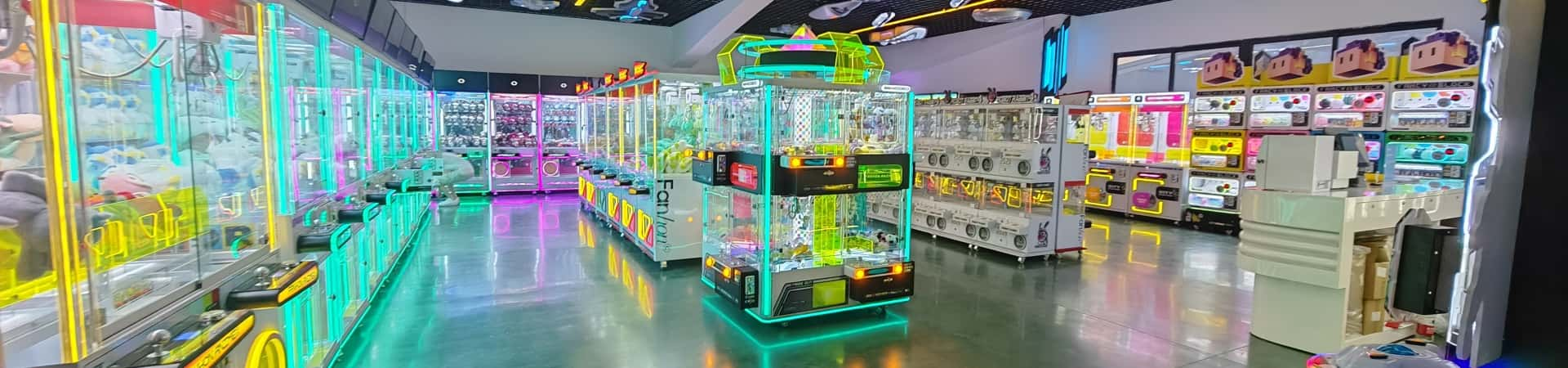
A claw machine placement business allows operators to earn revenue by installing machines in third-party venues such as shopping centers, restaurants and entertainment locations. Instead of running a dedicated arcade, operators build a network of machines across different sites.
But how much can a claw machine placement business earn? The answer depends on machine performance, venue agreements, prize costs and operating expenses. Understanding these factors can help you evaluate locations and make better investment decisions.
1. Estimate Revenue per Machine
The first step is to estimate how much revenue each machine may generate.
A simple formula is:
Monthly Revenue = Average Daily Revenue × Operating Days
Daily revenue depends on how many customers play, the price per play and how often the machine is used. A visible machine in a suitable location may attract more plays than one placed in a low-traffic area.
However, performance can vary significantly between locations. When planning a new placement, use conservative estimates rather than assuming every machine will generate the same revenue.
After installation, track each machine's actual performance to build a more reliable picture of your business.
2. Understand Venue Revenue Sharing
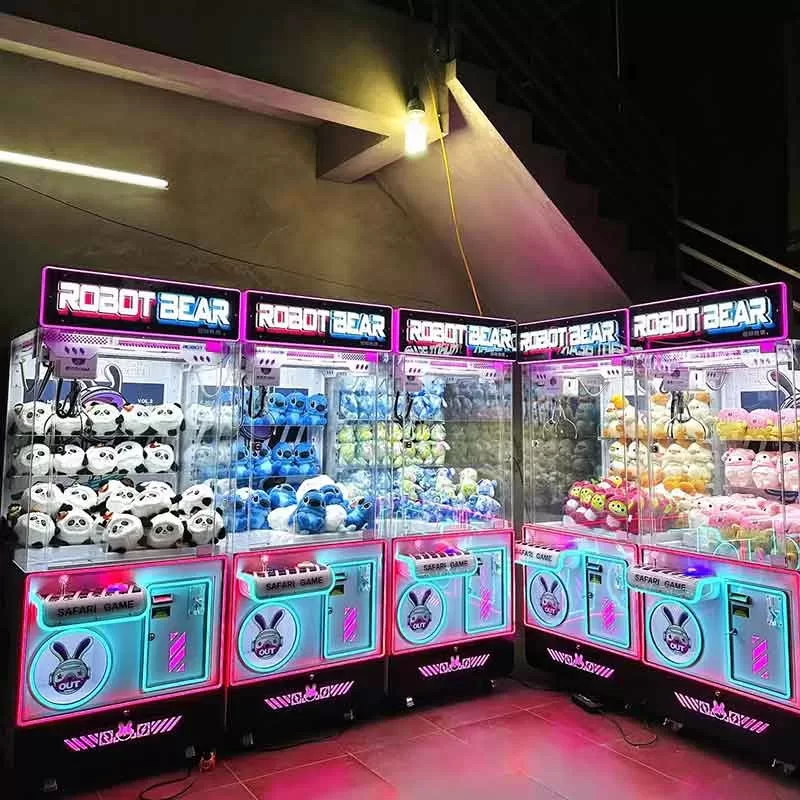
In many placement arrangements, the operator shares a portion of machine revenue with the venue owner. Other agreements may use a fixed placement fee or a different commercial structure.
For a revenue-sharing arrangement, the operator's remaining revenue can be estimated as:
Revenue After Venue Share = Machine Revenue − Venue's Share
For example, if a machine generates monthly revenue represented by R and the agreed venue share is S%, the amount remaining after the venue share is R × (1 − S%).
This is revenue after the venue's share, not final profit. Prize expenses and other operating costs still need to be deducted.
Before placing a machine, agree on how revenue will be measured, when payments will be settled and which party is responsible for electricity, maintenance and other expenses.
3. Account for Prize and Operating Costs
Prize costs are one of the main variable expenses in a claw machine business. They depend on the types of prizes offered, purchasing prices and how frequently prizes are won and replenished.
Operators should select prizes that appeal to the target customers while keeping costs manageable. Reviewing actual prize consumption can help improve budgeting over time.
Other operating expenses may include transportation, machine maintenance, payment processing and regular visits to placement locations.
Equipment investment is another major consideration. Although machine purchases are generally an upfront cost, operators should account for the initial investment when evaluating the overall return of the business.
4. Calculate Your Estimated Profit
After estimating revenue and expenses, you can calculate the operating profit for each machine.
Estimated Operating Profit = Machine Revenue − Venue Share − Prize Costs − Other Operating Costs
For a portfolio of machines, calculate each location separately before combining the results. This helps identify which machines are performing well and which may need attention.
For example, two machines with similar revenue may produce different results if one has higher prize costs or requires more frequent maintenance. A location with strong sales may also be less attractive if its revenue-sharing terms are unfavorable.
Use actual operating records whenever possible. Estimates are useful for planning, but they should be updated as real performance data becomes available.
5. Estimate Equipment Payback
Once you understand the estimated profit per machine, you can make a preliminary assessment of how long it may take to recover the equipment investment.
Estimated Payback Period = Initial Equipment Cost ÷ Monthly Operating Profit
This simplified calculation assumes the machine produces a positive and reasonably stable monthly operating profit. Actual results may change with customer traffic, operating costs and venue agreements.
For a more complete assessment, also consider transportation, installation and other initial expenses. Avoid relying on an optimistic revenue forecast when deciding how many machines to purchase.
6. Improve Returns by Managing Locations
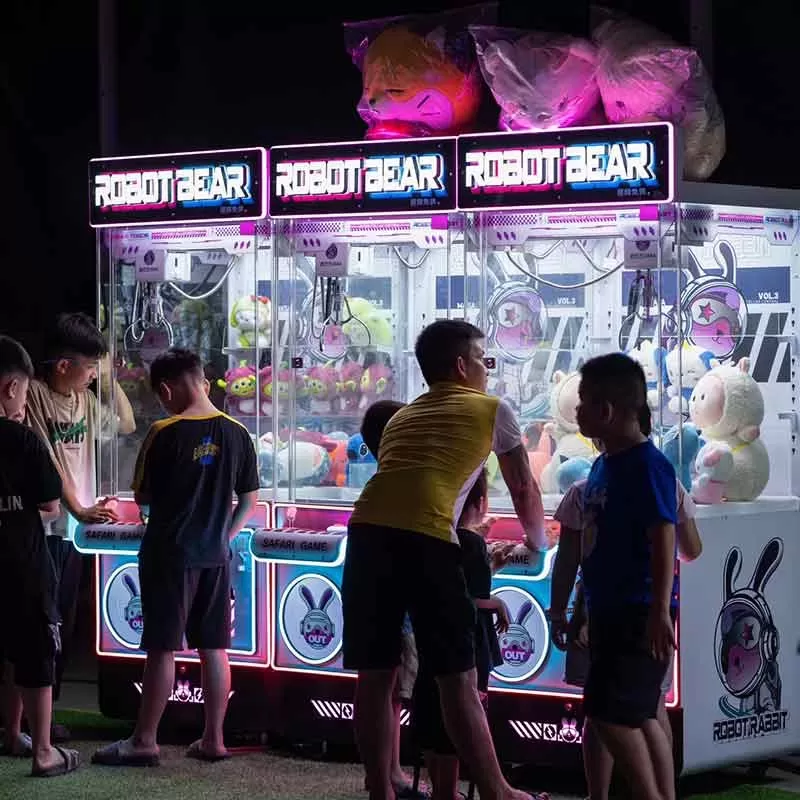
A placement business depends on more than the number of machines in operation. The quality of each location and the time required to service it can influence overall performance.
Review machine revenue regularly, replenish prizes when needed and address equipment issues promptly. If a location consistently underperforms, consider improving visibility, adjusting the prize selection or negotiating a different position.
As your network grows, prioritize locations that combine suitable customer traffic, manageable costs and convenient access for maintenance.
Build Your Placement Business with the Right Equipment
Calculating claw machine placement income helps operators compare locations, manage costs and make more informed equipment decisions. Start with realistic estimates, track actual performance and expand when your operating results support further investment.
SOONUOO supplies commercial claw machines and arcade equipment for different business needs, with OEM and ODM options available for suitable projects.
Contact SOONUOO to discuss equipment options for your claw machine placement business.