


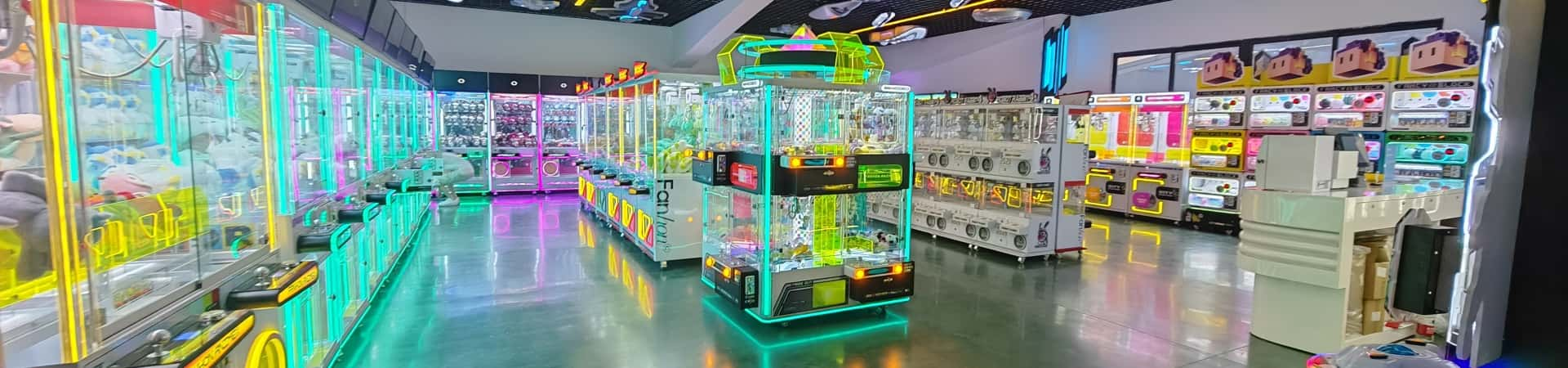
Placing claw machines in local businesses can be a practical way to build an arcade equipment business without opening a dedicated store. However, before installing a machine in a restaurant, shopping center, family entertainment venue or other business, operators should agree on the terms with the venue owner.
A clear claw machine placement agreement helps both parties understand how the machine will be operated, how revenue will be shared and who is responsible for day-to-day management. It can also reduce misunderstandings when problems arise or either party wants to end the arrangement.
Whether you are placing your first machine or managing multiple locations, here are the key points to consider before signing an agreement.
1. Define the Placement Area and Permission to Operate
Start by identifying exactly where the machine will be installed and what space you are permitted to use.
The agreement should describe the placement area, the number and type of machines, and any relevant requirements for installation. If the venue has specific rules about appearance, noise, access or operating hours, clarify them in advance.
You should also confirm that the venue owner or authorized representative has permission to approve the placement. In a shopping center or larger commercial property, the person managing an individual store may not have the authority to approve amusement equipment.
Before installation, check the available space, power supply, access for delivery and any applicable local requirements. Confirming these details early can prevent unnecessary transportation or setup costs.
2. Agree on the Revenue-Sharing Model
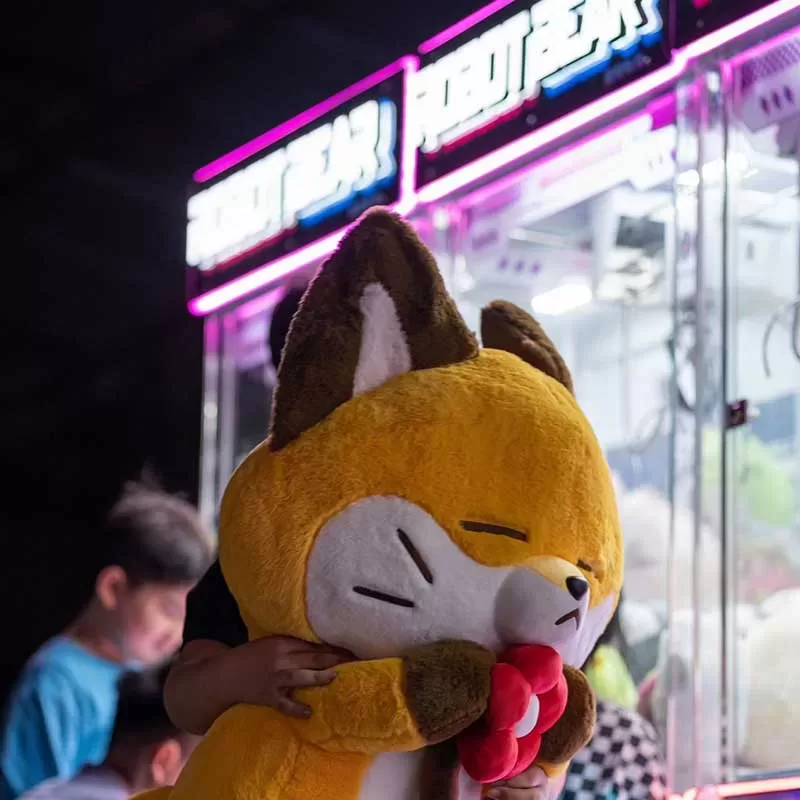
Revenue sharing is a common arrangement for claw machine placement businesses, but the exact terms should be agreed upon by both parties.
Common options include:
Percentage-based revenue sharing: The operator pays the venue an agreed percentage of machine revenue.
Fixed space rental: The operator pays a set fee for the placement area.
Hybrid arrangement: The parties agree on a fixed payment combined with a revenue-based component.
The agreement should specify how revenue is calculated. For example, does the percentage apply to total money collected, or to revenue after refunds and other agreed adjustments? Avoid relying on vague terms such as “share the profits” without defining what they mean.
Also establish how revenue will be recorded, when payments are due and how both parties can verify the figures. If the machine supports electronic payments, clarify how transaction records will be accessed and used.
Choose a payment model that reflects the venue's expectations and the operator's actual costs. A high-traffic location may offer strong sales potential, but an unsuitable payment arrangement can still make the placement difficult to manage.
3. Clarify Each Party's Responsibilities
A placement agreement should clearly divide responsibilities between the machine operator and the venue.
The operator may be responsible for purchasing or supplying the machine, installation, prize replenishment, routine maintenance, repairs and revenue reporting. The venue may be responsible for providing the agreed space, allowing reasonable access for servicing and informing the operator about problems.
These responsibilities should be written down rather than assumed.
Discuss who pays for electricity, who handles customer complaints and what happens if the machine is damaged. If the venue requires the operator to carry insurance or provide specific safety documentation, confirm those requirements before signing.
Clear responsibilities help both parties understand what is expected and make the partnership easier to maintain.
4. Set Maintenance and Service Arrangements
Claw machines need regular checks to remain clean, functional and suitable for commercial operation.
The agreement should explain how often the operator will inspect the machine, replenish prizes and respond to reported faults. It can also specify how the venue should contact the operator when a problem occurs.
Consider agreeing on reasonable response expectations for routine issues and more urgent problems. If a machine becomes unsafe, stops working or interferes with normal business operations, both parties should know whether it must be switched off or temporarily removed.
Keeping maintenance records can help resolve disputes and identify recurring problems. Reliable service also supports a better experience for the venue's customers.
5. Confirm the Contract Period and Renewal Terms
Decide how long the placement agreement will last. Some arrangements may begin with a trial period, while others may use a fixed term with an option to renew.
A trial period can help both parties evaluate the machine's performance and its fit with the venue before making a longer commitment.
The agreement should state when the arrangement begins and ends, how renewal works and whether either party can request a change to the terms. If the revenue-sharing percentage or rental fee may be reviewed later, explain when and how that review can take place.
Avoid leaving important renewal or payment conditions open to interpretation.
6. Explain Termination and Machine Removal
Not every location will perform as expected, and business circumstances can change. The agreement should explain how either party can end the arrangement.
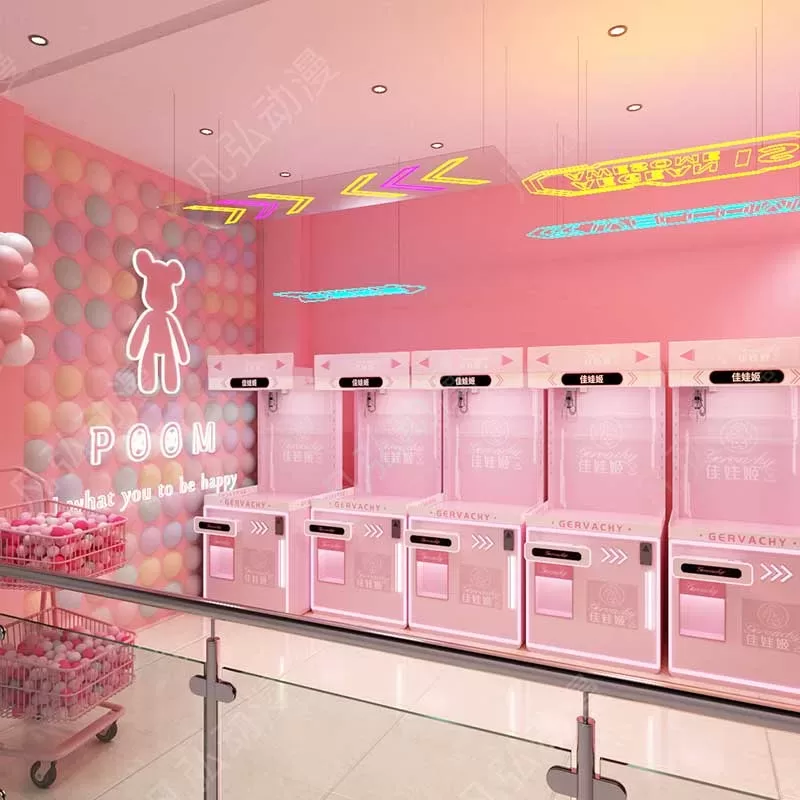
Include the required notice period, any conditions for early termination and how outstanding payments will be settled. Clarify who is responsible for removing the machine, restoring the placement area if necessary and arranging transportation.
It is also useful to address situations such as repeated machine failures, venue renovation, changes in property management or failure to meet agreed responsibilities.
Clear exit terms help operators move underperforming machines to more suitable locations without unnecessary disputes.
7. Keep the Agreement Clear and Practical
A placement agreement does not need to be unnecessarily complicated, especially for a first location. However, it should cover the terms that matter to both parties.
Before signing, check that the agreement includes:
(1)Machine details and approved placement area
(2)Revenue-sharing or rental terms
(3)Payment calculation and schedule
(4)Installation and operating responsibilities
(5)Maintenance and repair arrangements
(7)Contract duration and renewal conditions
(8)Termination notice and machine removal
(9)Any applicable insurance, liability and compliance requirements
Keep a signed copy and retain relevant records, including revenue reports, payments and maintenance visits.
Requirements can vary by country, state and venue type. For larger placements or agreements involving substantial financial commitments, consider obtaining advice from a qualified local legal professional. This article provides general business guidance, not legal advice.
Build Stronger Venue Partnerships
A successful claw machine placement business depends on more than finding locations. Clear agreements, suitable equipment, transparent revenue reporting and reliable service help create partnerships that can continue over time.
Before expanding to additional venues, make sure your agreement process is consistent and that each location's performance supports the cost and effort involved.
If you are planning a claw machine placement business, choosing equipment that suits your venue and operating model is an important first step. SOONUOO® offers commercial claw machines and arcade equipment for operators, distributors and businesses.
Explore our product range or contact our team to discuss equipment options for your business.