


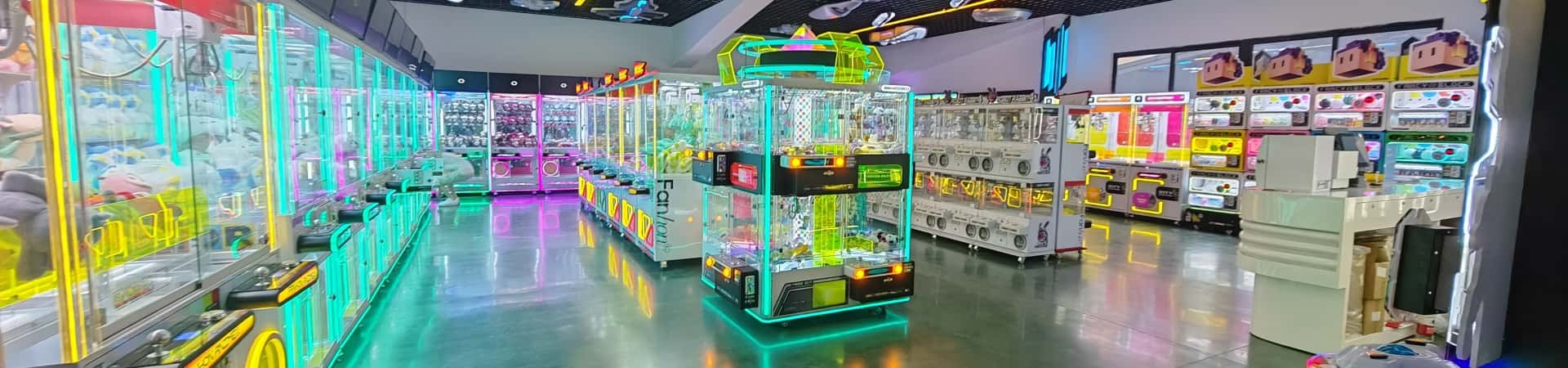
A good claw machine store layout is more than simply placing as many machines as possible in the available space.
The layout should balance machine visibility, customer movement, playing space, prize presentation and staff access.
Whether you are opening a dedicated claw machine store, adding claw machines to an arcade or creating a new entertainment venue, planning the layout before purchasing equipment can help you use the space more effectively.
1. Start With the Available Space
Before selecting machines, measure the actual venue.
Record the length and width of the usable area and identify fixed elements such as:
1)Entrance and exits
2)Columns
3)Walls
4)Emergency routes
5)Electrical points
6)Storage areas
7)Existing facilities
These details determine how many machines can realistically fit into the venue.
It is better to create the layout around the actual usable space than to decide on machine quantities first and try to fit them in later.
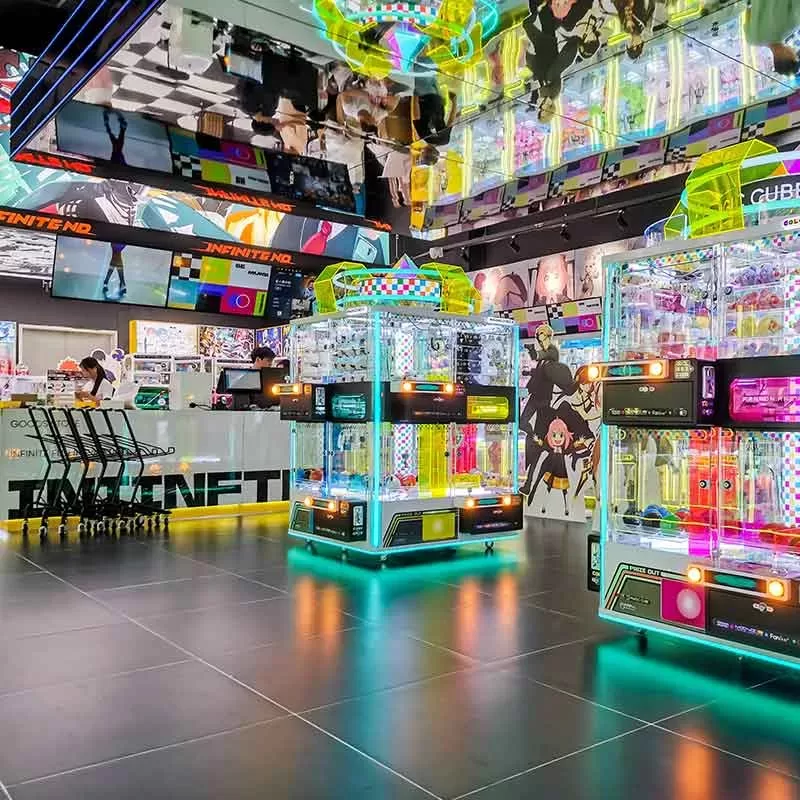
2. Plan Customer Flow First
Customers should be able to enter, browse and move between machines comfortably.
Avoid creating narrow passages by placing too many machines in one area. Players may need additional space when operating the controls, waiting for their turn or collecting prizes.
A practical layout should provide:
Clear Entrance
Customers should immediately understand where the main playing area is.
Comfortable Aisles
Leave enough space for customers to move between machine rows.
Easy Navigation
Avoid creating unnecessary dead ends or blocked areas.
Good Visibility
Machines should remain visible from different areas of the venue.
Customer flow should be considered before maximizing machine quantity.
3. Choose Machine Types Based on the Space
Different claw machines require different amounts of floor space.
Compact machines can be useful in smaller venues, while larger or multi-player machines may be better suited to spacious entertainment centers.
A mixed layout can also combine different machine sizes and configurations.
For example:
1)Compact machines along smaller walls
2)Standard machines in main playing areas
3)Larger machines in high-visibility locations
4)Special machines near entrances or feature areas
The goal is to create a balanced equipment mix rather than using the same machine everywhere.
4. Create a Strong Visual Focus
Not every machine needs to have the same position or visibility.
Some machines can be placed in prominent areas to attract attention from customers entering the venue.
Consider using visually distinctive machines near:
1)Store entrances
2)Main walkways
3)Reception areas
4)High-traffic sections
5)Photo-friendly areas
Lighting, cabinet design and prize presentation can also contribute to the visual impact of the overall store.
This is especially important for claw machine businesses where the machines themselves are part of the store's visual identity.
5. Consider Prize Display and Prize Access
Prizes are an important part of the player experience, so the layout should also consider how prizes are displayed and managed.
If prizes are stored separately, staff should be able to access the storage area without disrupting customers.
For stores with prize redemption counters or display shelves, leave enough space around these areas for customers to browse and collect prizes.
A good layout considers both:
Player Experience
Customers can clearly see and access the machines and prizes.
Staff Operations
Employees can restock machines, collect prizes and perform maintenance efficiently.
6. Leave Space for Maintenance
One common mistake is designing a layout that looks full but leaves little room for maintenance.
Commercial claw machines require access to components, wiring, prize compartments and other internal areas.
When planning the layout, consider how staff will:
1)Open machine panels
2)Refill prizes
3)Check the claw mechanism
4)Access electrical components
5)Clean the machines
6)Move equipment when necessary
A small amount of additional working space can make daily operation much easier.
7. Consider Electrical and Payment Requirements
Equipment placement should also be coordinated with the venue's electrical layout.
Depending on the machines and local operating requirements, you may need to consider:
1)Power outlet locations
2)Cable routing
3)Payment systems
4)Network connections
5)Lighting
6)Safety requirements
These details are easier to solve during the layout planning stage than after all machines have been installed.
For larger projects, equipment suppliers should receive the venue information before the final layout is confirmed.
8. Plan the Layout Before Ordering Equipment
One of the most effective ways to reduce layout problems is to plan the equipment arrangement before placing the final order.
A typical process can be:
Venue Information → Equipment Selection → 2D Layout → Quotation → 3D Design → Production
A 2D layout can show machine positions, quantities and circulation areas.
For larger projects, a 3D design can provide a clearer view of the final environment, including machine appearance, colors, lighting and overall visual style.
This gives the operator an opportunity to adjust the plan before production begins.
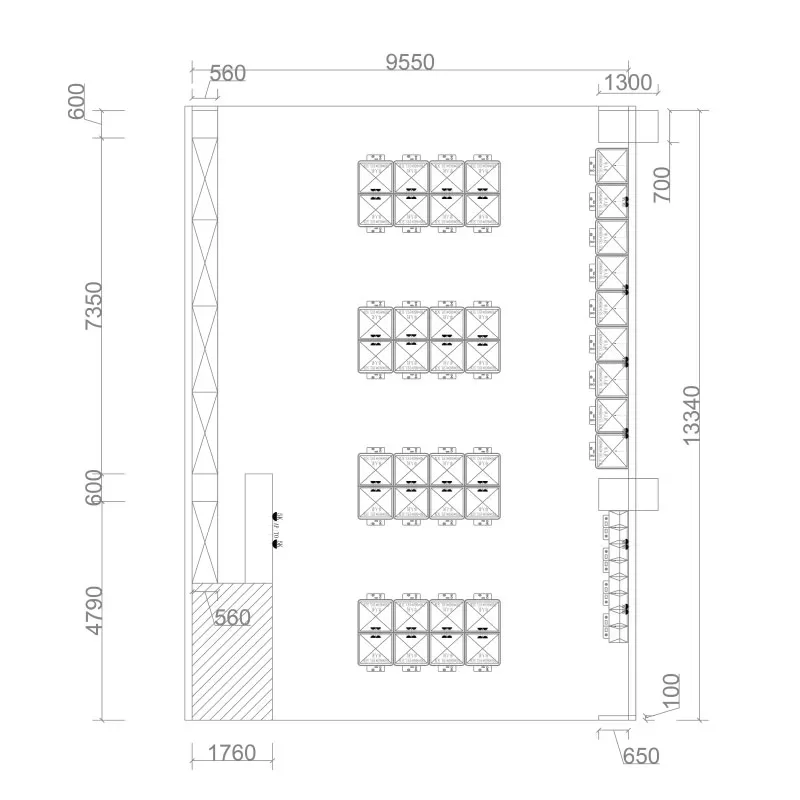
9. Think About Future Expansion
A new claw machine store may not remain the same size forever.
If the business performs well, operators may want to add more machines, change the equipment mix or introduce new game types.
Therefore, it can be useful to reserve some flexibility in the initial layout.
A scalable layout makes it easier to:
1)Add new machines
2)Replace older equipment
3)Change machine positions
4)Introduce new game types
5)Adjust the customer flow
Planning for future changes can be more practical than filling every available space from day one.
10. A Good Layout Balances Space and Business Needs
There is no single layout that works for every claw machine store.
The right arrangement depends on:
1)Venue size
2)Machine types
3)Target customers
4)Customer traffic
5)Prize strategy
6)Staff operations
7)Payment systems
8)Future expansion plans
The objective should not simply be to fit the maximum number of machines into the venue.
A better layout creates a balance between machine density, customer experience, operational efficiency and visual appeal.
Final Thoughts
A successful claw machine store starts with a practical layout.
Before purchasing equipment, measure the venue, understand customer flow, select suitable machine types and plan space for operation and maintenance.
For larger projects, a 2D layout followed by 3D design can help operators understand the proposed equipment arrangement before production begins.
A well-planned layout can make the venue easier to operate, easier to navigate and more attractive to customers.