


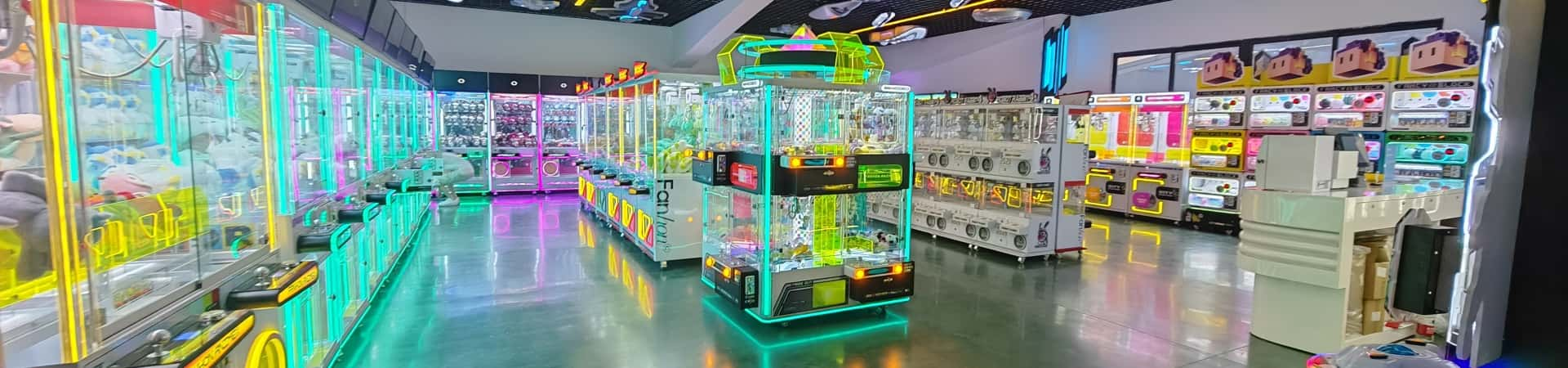
Buying wholesale claw machines can help resellers build a product range for arcade operators, entertainment centers, independent store owners and other business customers. However, choosing the right machines requires more than finding a supplier with attractive bulk prices.
Your purchasing decisions affect inventory costs, product availability, resale margins and the types of customers you can serve. Before placing a wholesale order, consider your target market, product selection, order quantity and total purchasing cost.
Here are six practical steps to help you choose wholesale claw machines for resale.
1. Understand Your Target Customers
Start by identifying who will buy your machines. Different customers have different equipment requirements, so your wholesale selection should reflect the market you intend to serve.
For example, independent arcade operators may need several machine styles for their venues. New store owners may prefer a combination of cabinet sizes and designs, while established operators may be looking for additional units that match their existing equipment.
If you sell to local equipment dealers, consider which models are suitable for their customer base and price range.
Research local competitors, visit entertainment venues when possible and speak with potential buyers about their preferred machine types, available space and purchasing budgets.
A clear understanding of customer demand helps you avoid buying machines simply because they are available at a wholesale price.
2. Choose a Practical Product Mix
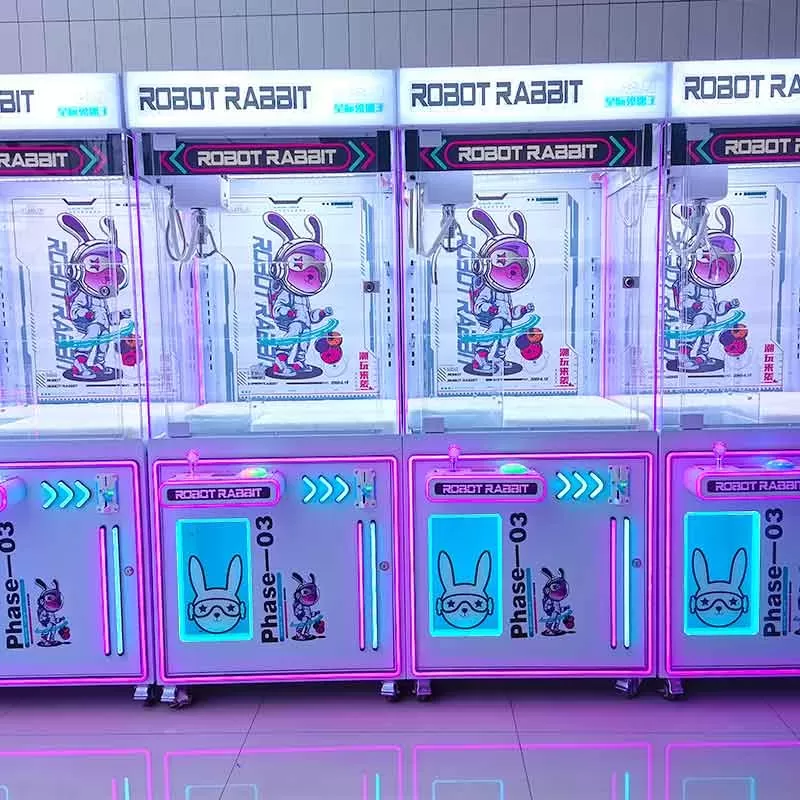
When buying wholesale claw machines, it can be tempting to select as many different models as possible. However, too much variety can make inventory management and after-sales support more complicated.
Instead, start with a focused product range that covers the main needs of your target customers.
Consider these factors when comparing models:
(1)Machine size: Offer options that suit different venue sizes and installation requirements.
(2)Cabinet design: Select styles that appeal to your target market and fit common customer preferences.
(3)Gameplay and prize capacity: Compare machine configurations based on the types of prizes and playing experiences customers want.
(4)Payment compatibility: Confirm which payment systems are supported and whether they suit your target market.
(5)Maintenance requirements: Consider access to key components, replacement parts and technical documentation.
A balanced product range may include a few core models for regular orders and additional models available by request.
This approach allows you to serve different customers without committing too much capital to slow-moving inventory.
3. Compare Wholesale Pricing and Total Costs
Wholesale prices are important, but the lowest unit price does not necessarily result in the best resale opportunity.
Ask suppliers to quote comparable models and configurations. Check the minimum order quantity, price breaks for larger orders, customization charges and the items included in each quotation.
You should also calculate the cost of getting each machine to your warehouse or customer.
Depending on your purchasing arrangement, additional expenses may include:
(1)International or domestic shipping.
(2)Customs duties, taxes and clearance fees.
(3)Packaging and local transportation.
(4)Payment and currency conversion charges.
(5)Spare parts, handling and after-sales support.
For example, Supplier A may offer a lower unit price but charge more for shipping or required customization. Supplier B may have a higher unit price but offer a more suitable configuration or clearer support arrangements.
Compare the estimated total cost per machine before deciding which offer provides better value.
4. Decide How Many Machines to Order
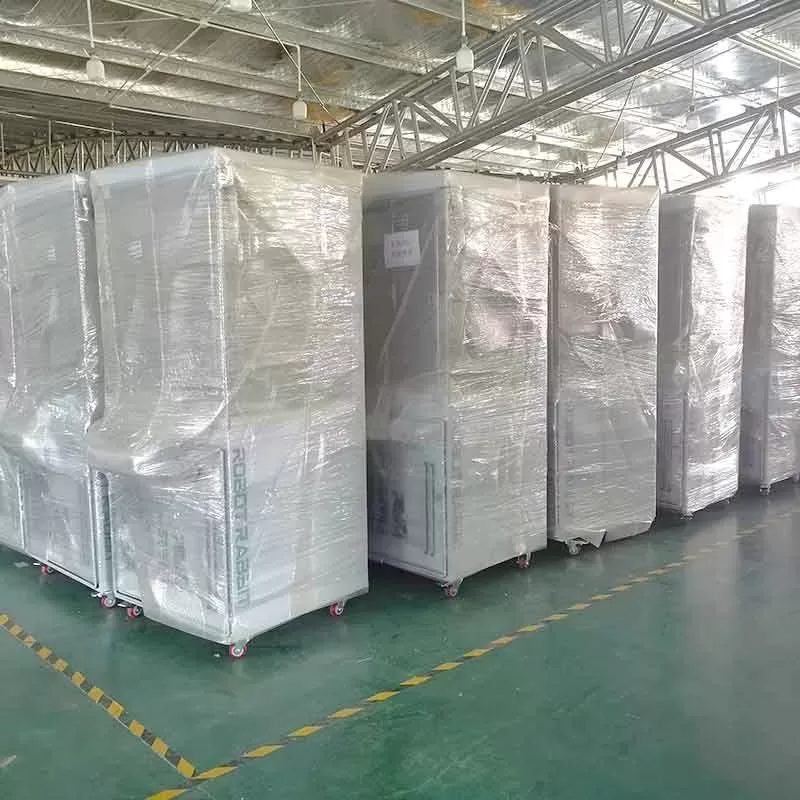
Your first wholesale order should reflect realistic sales expectations, available capital and storage capacity.
Ordering more machines may reduce the unit price under some supplier pricing structures, but it also increases the amount of money tied up in inventory. If sales take longer than expected, you may have less cash available for marketing, customer service and future purchases.
Before deciding on an order quantity, consider:
(1)How many potential buyers have expressed genuine interest?
(2)Do you have confirmed orders or only estimated demand?
(3)How quickly can you reasonably sell each model?
(4)Can you store and handle the machines safely?
(5)What is the supplier's lead time for repeat orders?
If you are new to the market, a smaller initial order can help you test customer demand, product quality and delivery arrangements before committing to a larger purchase.
If you already have regular customers or confirmed orders, you may be able to plan bulk purchasing more confidently.
The goal is not to buy the largest possible quantity. It is to maintain enough suitable inventory to serve customers without putting unnecessary pressure on cash flow.
5. Confirm Specifications Before Placing a Bulk Order
When buying multiple machines, small misunderstandings can become expensive. Make sure the specifications are confirmed in writing before production or shipment.
Your order documentation should identify the model, quantity, dimensions, configuration, payment system, electrical requirements and any agreed customization.
If you are ordering different models, create a clear list showing the quantity and specifications of each machine.
You should also confirm packaging arrangements, inspection procedures, production schedules and shipping responsibilities. For customized machines, approve the relevant design details before production begins.
Ask how quality issues, missing components or damage during transportation will be handled. Clear agreements make it easier to resolve problems if the delivered order does not match your requirements.
6. Plan for Repeat Orders and Inventory Management
Wholesale purchasing should support your long-term sales strategy rather than focus only on the first shipment.
Track which models attract the most inquiries, which ones sell consistently and which remain in stock for too long. Review your actual sales results regularly and adjust future purchasing decisions accordingly.
It is also useful to maintain records of supplier quotations, model specifications, spare parts and customer feedback. This information helps you reorder suitable products and provide more consistent service.
Before choosing a supplier for ongoing wholesale orders, confirm whether the models you rely on can be reordered and whether important specifications can be maintained across future batches.
If you plan to expand your product range, discuss new models and customization options based on actual customer requests rather than adding inventory without a clear purpose.
Conclusion
Choosing wholesale claw machines for resale requires a balance between customer demand, product selection, purchasing costs and inventory risk.
Start by understanding your target market, select a focused range of suitable machines and compare total costs rather than unit prices alone. Choose order quantities based on realistic demand, confirm specifications in writing and monitor sales performance before expanding your inventory.
A practical wholesale purchasing strategy can help you serve customers more effectively, manage your capital and build a more organized claw machine resale business.