


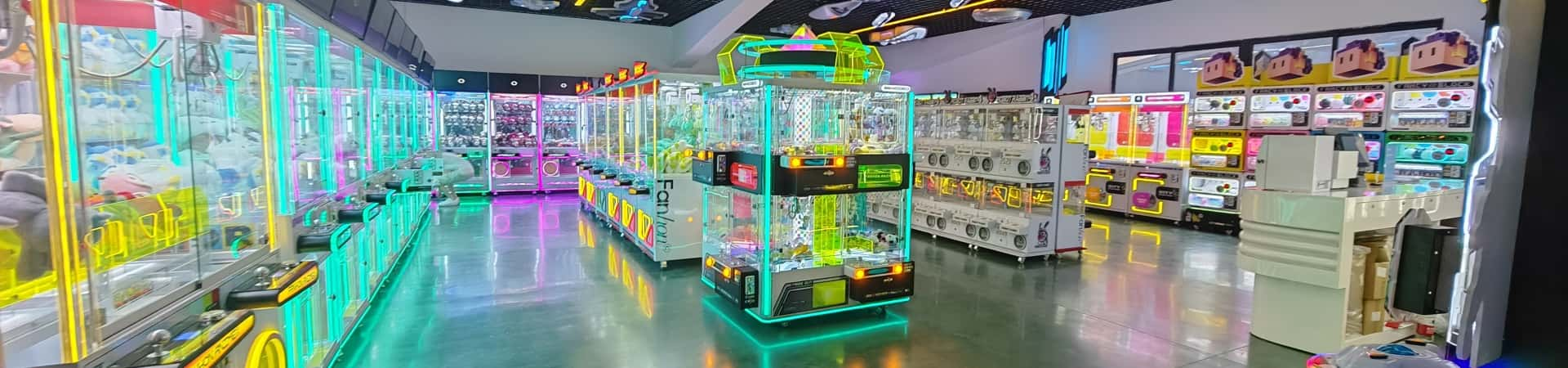
There is no single arcade equipment mix that works for every business.
A shopping mall entertainment area, a dedicated arcade, a family entertainment center and a small retail location can have very different customer profiles, available space and operating requirements.
Instead of choosing equipment only by product popularity, it is better to start with the venue and then determine which machines fit the space, customers and business model.
1. Start With the Venue
Before looking through an arcade equipment catalog, define where the machines will be installed.
Consider:
Venue type
Available floor space
Customer age groups
Expected traffic
Average visit time
Operating hours
Payment system
Available power and installation conditions
These factors can affect both the type and quantity of equipment required. Industry buying guides similarly recommend evaluating venue conditions before finalizing a machine mix.
A machine that works well in a large arcade may not be practical for a small shopping mall area.
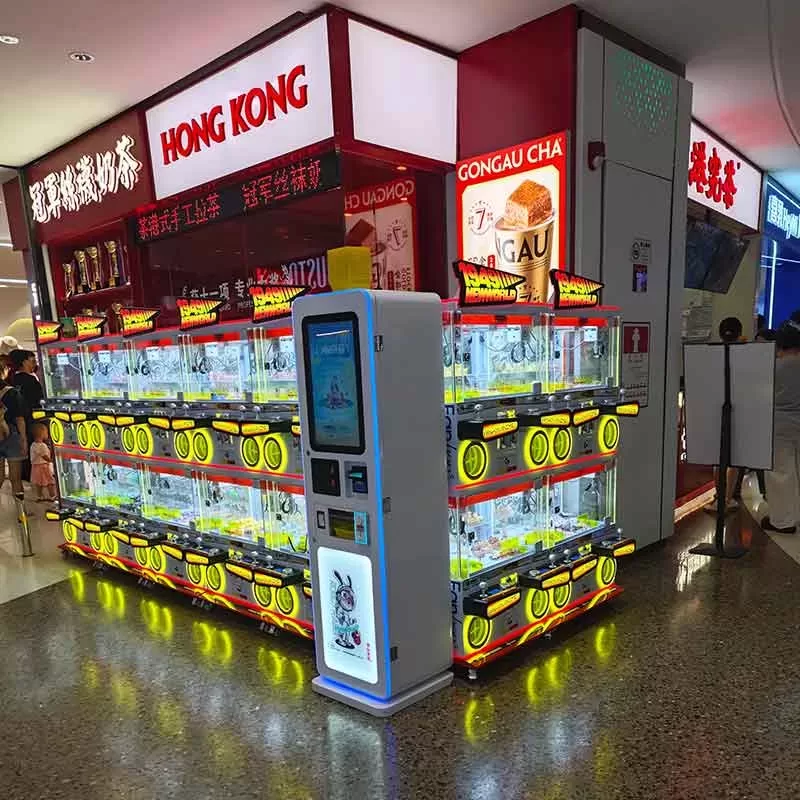
2. Shopping Malls: Focus on Visibility and Space
Shopping mall locations often have customers who are passing through rather than visiting specifically to play arcade games.
This makes visibility, accessibility and space efficiency important considerations.
Compact commercial claw machines can work well in areas such as:
(1)Mall entertainment zones
(2)Food court areas
(3)Cinema areas
(4)Children's activity spaces
(5)Retail promotion areas
Claw machines with visible prizes, distinctive cabinet designs and suitable lighting can help create a clear visual point within the surrounding space.
For smaller locations, however, the machine footprint should be considered together with player standing space and customer flow.
3. Family Entertainment Centers: Build a Balanced Mix
Family entertainment centers usually serve different age groups within the same visit.
Instead of relying on one equipment category, operators can consider a combination of:
(1)Claw machines
(2)Redemption games
(3)Kids' arcade games
(4)Racing games
(5)Basketball games
(6)Air hockey
(7)Capsule machines
(8)Other interactive attractions
The purpose is to give different members of a family different ways to participate.
For example, younger children may prefer simple prize or kids' games, while teenagers and adults may look for competitive or skill-based experiences.
A balanced equipment mix can also help avoid filling the venue with too many machines offering almost identical gameplay.
4. Dedicated Arcades: Create Different Game Zones
A dedicated arcade generally has more freedom in equipment selection and floor planning.
Instead of placing machines randomly, consider dividing the venue into several functional zones.
Prize Game Zone
Claw machines, prize machines and capsule machines can create a visually attractive area focused on prizes and collectibles.
Competitive Game Zone
Basketball, air hockey and other skill-based games can provide competitive gameplay.
Racing & Simulator Zone
Racing and simulator machines can create more immersive experiences and may require more floor space.
Redemption Zone
Redemption games can be combined with prize displays or redemption counters depending on the operating model.
Zoning can make a larger arcade easier to navigate while giving different types of players reasons to explore different areas.
5. Small Retail or Limited-Space Locations: Prioritize Footprint
Not every business has enough space for a complete arcade.
Retail stores, restaurants, cinemas and smaller entertainment areas may only have room for a few machines.
In these situations, consider:
(1)Machine dimensions
(2)Player clearance
(3)Prize capacity
(4)Visibility
(5)Payment configuration
(6)Power requirements
(7)Maintenance access
Compact claw machines, capsule machines and other smaller-format equipment can be considered when floor space is limited.
The key is to choose equipment that fits the available area instead of trying to fill the space with oversized machines.
6. Children's Areas: Consider Accessibility and Simplicity
Children's entertainment areas require a different approach.
Machines should be easy to understand and operate, with an appropriate design for the intended age group.
Claw machines with simple controls, clear prize visibility and child-friendly cabinet designs can be considered alongside other kids' arcade equipment.
The surrounding layout is also important. There should be enough space for children and accompanying adults to stand, move and interact with the machines comfortably.
For any venue serving children, buyers should also check applicable local safety and compliance requirements before purchasing equipment.
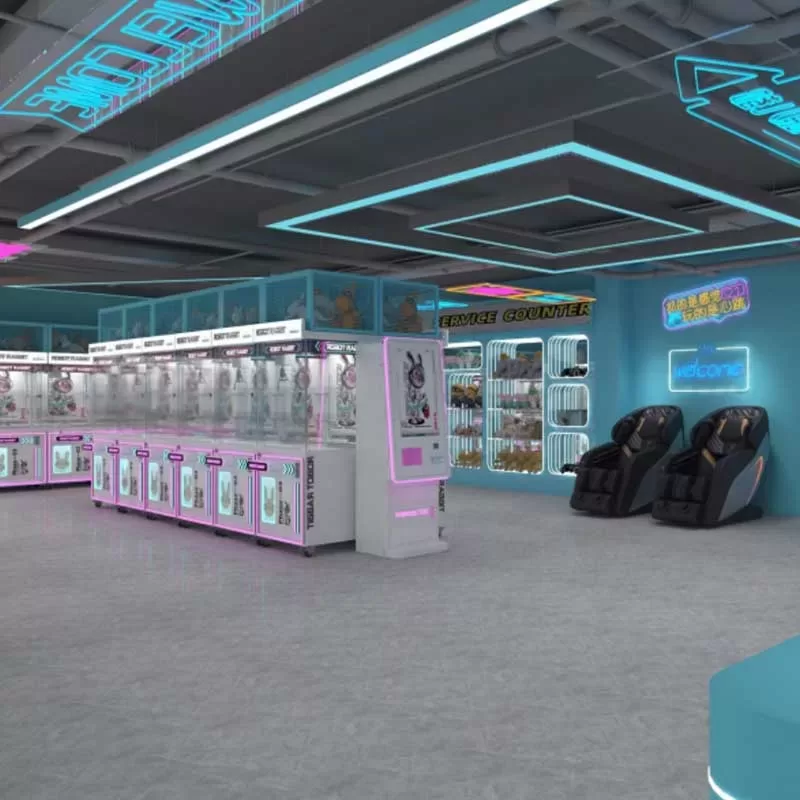
7. Match Equipment to Your Customer Profile
Venue type is only the starting point.
Two venues of the same type can still have different customers.
For example, a shopping mall in a family-oriented location may have a different audience from a mall entertainment zone focused on teenagers and young adults.
Ask:
Who will play the machines?
Then consider:
(1)Age
(2)Group size
(3)Playing habits
(4)Prize preferences
(5)Skill level
(6)Expected visit duration
This can help determine whether your equipment mix should focus more on prize games, competitive games, interactive games or immersive experiences.
8. Plan the Equipment Mix Before Ordering
Once the venue and customer profile are clear, create an equipment plan before contacting suppliers.
A simple planning table can help:
| Venue | Main Considerations | Equipment Examples |
| Shopping Mall | Visibility, compact footprint, casual players | Claw machines, capsule machines, mini games |
| Family Entertainment Center | Mixed ages, variety, longer visits | Claw machines, redemption games, kids games, sports games |
| Dedicated Arcade | Equipment variety, zoning, traffic flow | Claw machines, racing, shooting, sports, redemption |
| Small Retail Location | Limited space, simple operation | Compact claw machines, capsule machines |
| Children's Area | Accessibility, simple gameplay, age suitability | Kids games, claw machines, capsule machines |
This approach helps turn a general equipment search into a practical purchasing plan.
9. Consider the Complete Operating Environment
Equipment selection should not stop at the machine itself.
Before ordering, also check:
(1)Electrical requirements
(2)Payment systems
(3)Installation conditions
(4)Delivery access
(5)Maintenance space
(6)Spare parts
(7)Technical support
(8)Local regulations
A machine may fit the floor plan but still create problems if it cannot pass through the entrance, reach the installation area or connect to the venue's available power supply.
These practical details should be confirmed before the final equipment list is approved.
Final Thoughts
Choosing arcade equipment for different venues starts with understanding the venue rather than selecting machines from a catalog.
Shopping malls may require compact and visually noticeable equipment. Family entertainment centers may need a broader mix for different age groups. Dedicated arcades can use multiple equipment categories and create different entertainment zones, while smaller locations may need to focus on machines that make efficient use of limited space.
The right equipment plan should connect four things:
Venue → Customers → Space → Equipment Mix
By considering these factors before ordering, operators can build an arcade equipment plan that fits their actual business requirements.