


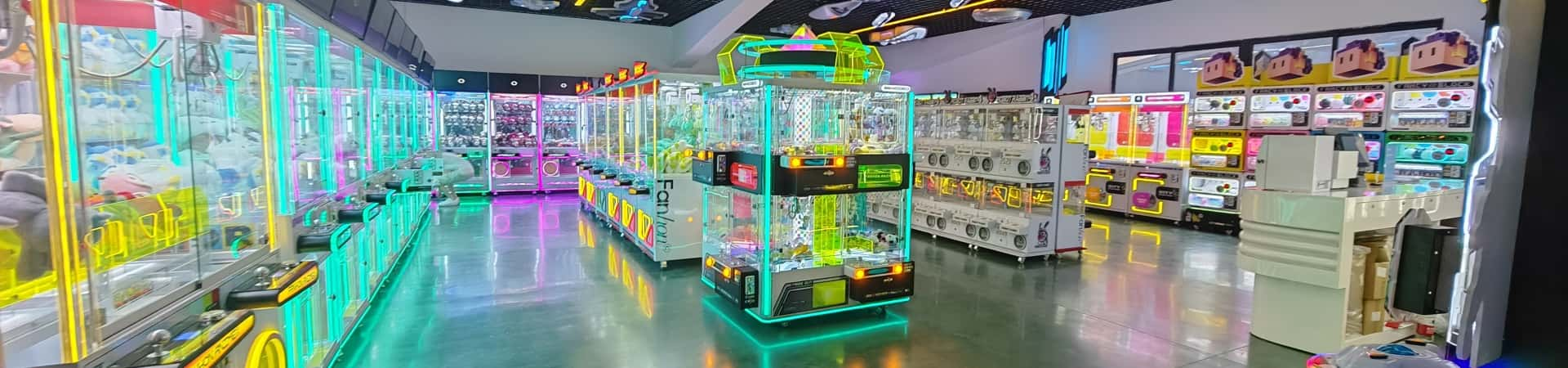
Starting a claw machine resale business requires more than finding products at a low price. Your manufacturer affects product quality, purchasing costs, delivery arrangements and the support you can provide to your customers.
For resellers, a reliable manufacturing partner can make it easier to build a consistent product range, handle customer orders and develop long-term business relationships. However, not every supplier offers the same products, production capabilities or service.
Here are the key factors to consider when choosing claw machine manufacturers for resale.
1. Look for a Manufacturer That Fits Your Target Market
Before contacting suppliers, identify the customers you plan to serve. Your target market may include arcade operators, shopping malls, family entertainment centers, independent store owners or local amusement equipment dealers.
Different customers may have different requirements. Some prioritize compact machines for limited spaces, while others need larger cabinets, distinctive designs or multiple machine types for a complete venue.
Look for a manufacturer with a product range that matches these needs. Consider machine sizes, cabinet styles, prize capacity, gameplay options and available configurations.
If you plan to expand beyond claw machines, a manufacturer offering other arcade equipment may also help you build a broader product portfolio over time.
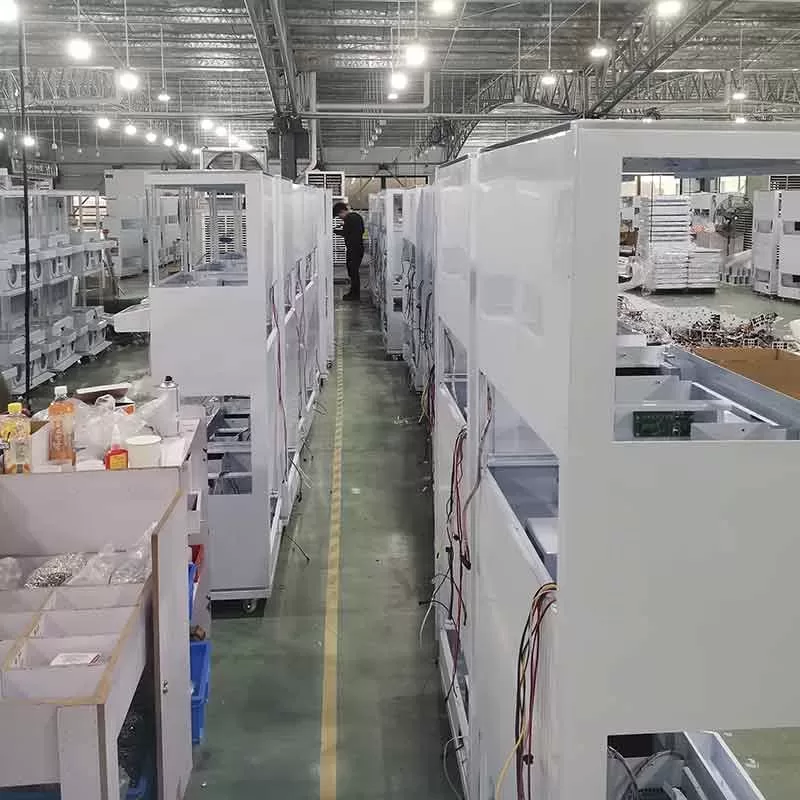
2. Evaluate Product Quality and Construction
Product quality directly affects your ability to satisfy customers and manage after-sales requests. A machine that looks attractive in photographs may still have issues with assembly, controls, lighting or mechanical operation.
When evaluating a supplier, request detailed product specifications, clear photographs and videos showing the machines in operation. Ask about cabinet materials, claw mechanisms, control systems, electrical requirements and maintenance access.
If possible, arrange a sample order or inspect the machine before placing a larger order. Check the overall finish, gameplay consistency, prize access, control response and basic operating functions.
You should also ask what quality checks are performed before shipment. A clear inspection process is more useful than relying on general statements about product quality.
3. Compare Wholesale Prices and the Total Purchasing Cost
Wholesale pricing is important for resellers, but the lowest quotation does not always represent the best purchasing decision.
When comparing manufacturers, make sure the quotations cover the same machine specifications, configurations and quantities. Check whether customization, packaging, spare parts and other requested items are included or charged separately.
International orders may also involve shipping, import duties, taxes and local transportation costs. These expenses can affect your final cost and the price you need to offer customers.
Calculate your estimated total cost per machine before setting your resale price. Your pricing should account for purchasing and delivery expenses, potential warranty costs and the margin needed to operate your business.
A transparent quotation helps you compare suppliers fairly and avoid unexpected costs after placing an order.
4. Check OEM, ODM and Customization Capabilities
Some resellers sell standard machines, while others want to develop their own brands or offer customized products to local customers.
If customization is important to your business, ask whether the manufacturer supports options such as logo printing, cabinet colors, lighting, exterior graphics and selected machine configurations.
Clarify the available options, minimum order quantities, additional costs and production implications before making commitments to your customers.
You should also confirm which specifications can be customized and which are fixed. This helps you communicate realistic options and delivery expectations when preparing quotations.
For resellers building a long-term brand, consistent product specifications and repeatable customization processes can be particularly valuable.
5. Confirm Spare Parts and After-Sales Support
After-sales support is an important part of resale operations. Your customers may need assistance with setup, maintenance, troubleshooting or replacement components after receiving their machines.
Ask the manufacturer which spare parts are available, how replacement parts can be ordered and what technical support is provided. Clarify warranty terms, coverage, exclusions and the process for reporting product issues.
It is also useful to understand whether the supplier can provide operating instructions, troubleshooting guidance and relevant technical documentation.
Before selling machines to local customers, establish how you will handle common service requests. A clear support process helps you manage customer expectations and reduces uncertainty when problems arise.
6. Review Production Capacity and Delivery Arrangements
A supplier should be able to explain how orders are handled, from specification confirmation to production, inspection and shipment.
Ask about the production schedule for your selected models, how lead times are confirmed and what happens if you need to reorder the same products. Actual lead times may vary depending on model availability, order quantity, customization and production conditions.
For international purchases, confirm packaging methods, shipping arrangements, required export documents and the responsibilities of each party.
Do not promise customers a delivery date until you have confirmed the schedule with your manufacturer and shipping provider.
7. Start With a Clear Order and Build the Relationship
Before paying a deposit, make sure the order details are documented. The purchase agreement or pro forma invoice should clearly state the model, quantity, specifications, customization requirements, price, payment terms and delivery arrangements.
Confirm how product changes, inspection results, delays and warranty issues will be handled. Keep written records of important decisions rather than relying only on informal messages.
If you are working with a new supplier, consider starting with a manageable order that allows you to evaluate product quality, communication and delivery performance before increasing your purchasing volume.
Once the supplier demonstrates that it can meet your requirements, you can discuss repeat orders, a wider product selection and more structured cooperation.
Conclusion
Finding reliable claw machine manufacturers for resale involves more than comparing prices. Product quality, suitable models, transparent quotations, customization capabilities, spare parts, after-sales support and dependable order coordination all matter.
For resellers, the right manufacturer should fit both your current purchasing needs and your plans for future growth. Evaluate suppliers carefully, confirm important details in writing and begin with an order size that matches your business capacity.
A well-chosen manufacturing partner can help you offer suitable products, serve customers more effectively and build a more sustainable claw machine resale business.