


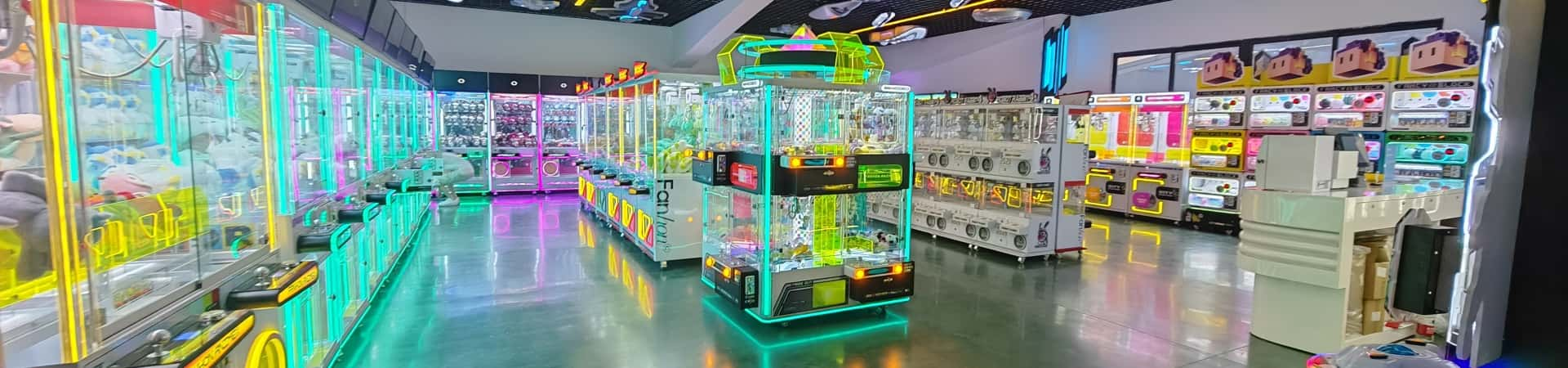
Selling claw machines to arcades and entertainment businesses requires more than offering attractive products. Business buyers need equipment that fits their venues, meets their customers' needs and can be supported after purchase.
For claw machine resellers and arcade equipment distributors, the key is to identify suitable customers, understand their requirements and explain why your products are a practical choice.
Here are seven steps to help you develop customers and sell claw machines more effectively.
1. Identify Your Target Customers
Start by identifying businesses that are likely to purchase commercial claw machines. Your potential customers may include:
Arcades and claw machine stores: Businesses looking to open a new venue, expand their machine selection or replace existing equipment.
Family entertainment centers: Venues that need a mix of games to serve different age groups and customer interests.
Shopping malls and entertainment venues: Businesses that may use claw machines to create interactive attractions.
Amusement equipment operators: Operators who place machines in third-party locations or manage multiple venues.
Local arcade equipment dealers: Businesses that purchase machines for resale to their own customers.
Each customer type has different purchasing priorities. A new store owner may need help choosing an equipment mix, while an established operator may focus on machine performance, maintenance and repeat orders.
Understanding these differences helps you target the right prospects instead of sending the same offer to every business.
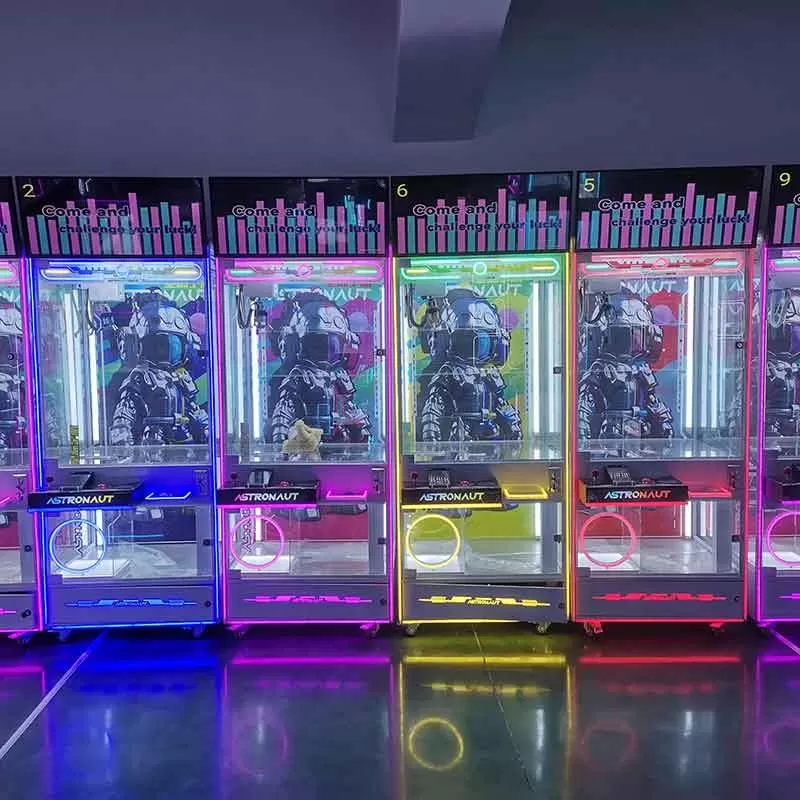
2. Find Potential Buyers Through Multiple Channels
Use several channels to build a steady list of potential customers.
Google Search: Search for local arcades, family entertainment centers, amusement equipment dealers and claw machine businesses. Their websites may provide contact details and useful information about their operations.
Social Media: Platforms such as Facebook, Instagram and LinkedIn can help you discover entertainment businesses, follow their activities and introduce your products. Relevant industry groups may also provide opportunities to connect with operators and dealers.
Business Directories and Exhibitions: Local business directories, amusement industry events and trade shows can help you identify companies already working in the industry.
Direct Outreach: Contact suitable businesses through their published business email, WhatsApp or other professional contact channels. Personalize your message based on the company's venue, market or existing equipment.
Build a simple prospect list with company names, locations, contact details, business types and follow-up dates. Organizing this information makes it easier to prioritize promising leads.
3. Present Products Based on Customer Needs
When introducing your claw machines, avoid sending a long product catalog without explaining which models may suit the buyer.
Instead, ask a few practical questions:
(1)Are you opening a new arcade or upgrading an existing venue?
(2)What type of location will the machines be used in?
(3)How much floor space is available?
(4)What machine styles or prize formats are you looking for?
(5)Do you need standard machines or customized designs?
Use the answers to recommend relevant models. For a venue with limited space, compact machines may be worth considering. A larger arcade may prefer a wider selection of cabinet styles and game formats.
Clear product photos, operating videos, dimensions and specifications can help customers evaluate your recommendations before requesting a quotation.
4. Explain the Business Value, Not Just the Price
Price matters, but it should not be the only factor in your sales presentation.
Explain how the machine fits the customer's intended use. For example, discuss its appearance, prize visibility, gameplay, available configurations, maintenance access and payment options where supported.
For customers planning a new venue, you can also help them compare machine sizes and arrange equipment according to available space.
If a customer is comparing several suppliers, provide a clear explanation of what is included in your offer. Specifications, customization, spare parts, packaging and after-sales arrangements can all affect the overall purchasing decision.
Avoid promising specific revenue or payback periods without reliable evidence. Help buyers make informed decisions using their venue, budget and operating plans.
5. Prepare Clear Quotations
A professional quotation helps customers understand the offer and compare options.
Include the machine model, quantity, specifications, unit price, customization details, packaging, payment terms and estimated delivery schedule. Clearly identify any costs that are excluded from the quotation, such as international shipping or import duties.
If you offer several models, present a small number of relevant options rather than overwhelming the customer with every available product.
For international orders, confirm shipping arrangements and the responsibilities of each party before finalizing the deal. Delivery estimates should be checked with the manufacturer and logistics provider.
Clear quotations reduce misunderstandings and make the next step easier for both parties.
6. Follow Up Without Pressuring Buyers
Many B2B customers need time to compare suppliers, discuss budgets or obtain internal approval. A lack of immediate response does not necessarily mean they have no interest.
Follow up with a useful reason to continue the conversation. You might ask whether the customer needs additional specifications, suggest an alternative model or clarify a detail in the quotation.
Keep messages concise and relevant. Record the date and outcome of each contact, then schedule the next follow-up based on the customer's response and purchasing timeline.
If a project is delayed, ask when it may be appropriate to reconnect. Respect the customer's schedule and avoid sending repetitive messages without adding value.
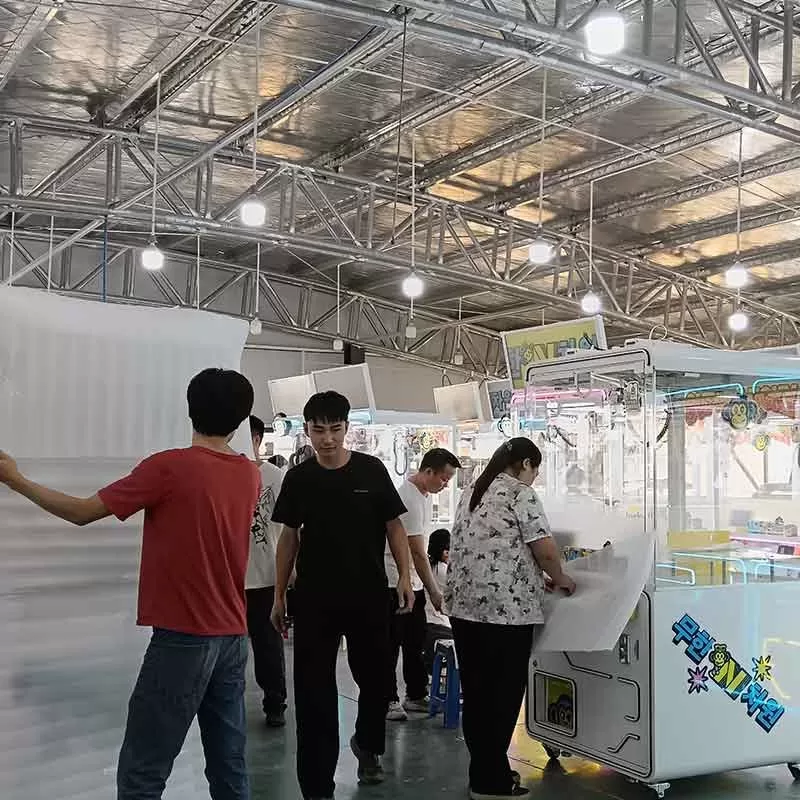
7. Build Long-Term Customer Relationships
The first order can be the beginning of a longer business relationship. After delivery, check whether the machines arrived as expected and whether the customer needs help with setup or operation.
Keep records of purchased models, customization requirements, service requests and future plans. This information can help you recommend suitable products when the customer expands or opens another location.
You can also maintain contact by sharing relevant new models, product updates and practical equipment information. Keep these communications focused on the customer's business rather than sending frequent, unrelated promotions.
Reliable communication and organized after-sales coordination can help resellers build trust and encourage repeat business.
Conclusion
Selling claw machines to arcades and entertainment businesses requires targeted prospecting, customer-focused product recommendations, clear quotations and consistent follow-up.
Start with a well-defined customer group, use several channels to find qualified buyers and tailor your presentation to each business's needs. By combining suitable products with professional communication and dependable after-sales coordination, you can build stronger customer relationships and develop your claw machine resale business over time.