


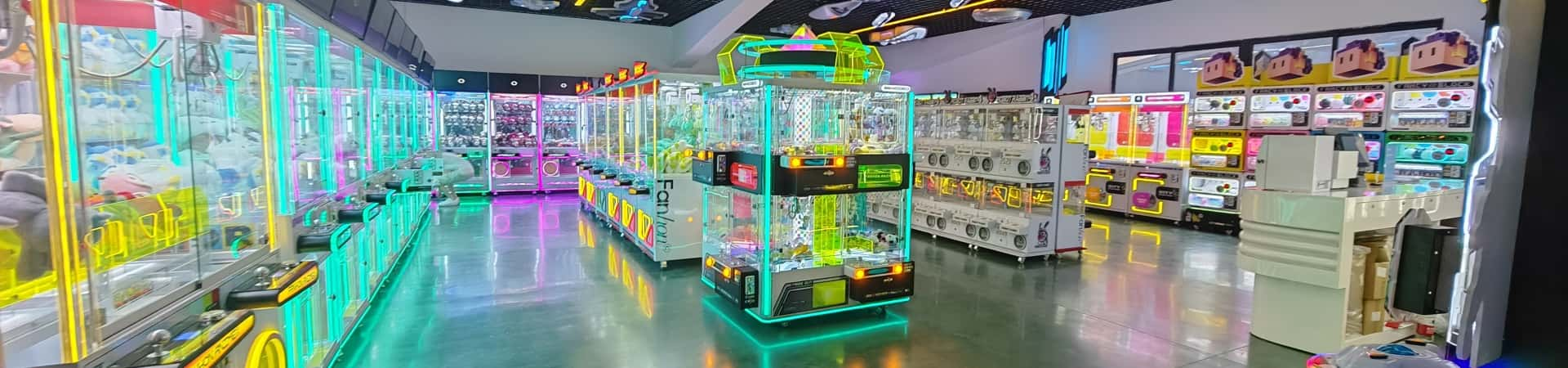
Selling claw machines can be a business opportunity for entrepreneurs who understand the amusement equipment market and can connect manufacturers with local buyers. Potential customers include arcade operators, entertainment centers, shopping malls, independent store owners and other equipment resellers.
However, profitability is not guaranteed. Your results depend on purchasing costs, selling prices, customer demand, shipping arrangements and the level of support you provide after the sale.
If you are considering a claw machine reseller business, here are the main factors to evaluate before investing.
1. Understand How Claw Machine Resellers Make Money
Unlike arcade operators, who earn revenue when players use their machines, resellers generally make money by purchasing equipment from manufacturers or wholesalers and selling it to business customers at a higher price.
For example, a reseller may source several claw machines from a manufacturer and sell them to a local arcade operator. The difference between the selling price and the purchase cost contributes to the reseller's gross profit.
However, this difference is not the same as net profit. Shipping, import charges, customer acquisition, storage, payment processing and after-sales expenses may all reduce the final amount earned.
Understanding this distinction is essential when evaluating whether selling claw machines is a suitable business for you.
2. Calculate Your Costs Before Setting Prices
Your purchasing cost is only one part of the total cost of supplying a machine to a customer.
Consider these major expenses:
(1)Equipment cost: The price paid to the manufacturer or wholesale supplier.
(2)Shipping and import costs: Freight, customs duties, taxes and local transportation, where applicable.
(3)Sales and marketing: Website expenses, advertising, prospecting and other customer acquisition activities.
(4)Storage and handling: Warehouse space and the costs of managing inventory, if you hold stock.
(5)After-sales support: Spare parts, warranty-related expenses and time spent resolving customer issues.
Some costs vary with each order, while others remain relatively fixed regardless of sales volume. Understanding both helps you set prices and assess how many orders you need to cover your operating expenses.
3. Choose Products That Match Customer Demand
A wide product catalog does not automatically lead to more sales. What matters is whether your products match the requirements of your target customers.
Some buyers need compact claw machines for limited spaces. Others may be looking for larger cabinets, distinctive designs, multiple machine styles or customized branding.
Research local competitors, arcade businesses and entertainment venues to understand what potential customers are purchasing. Speak with buyers about their budgets, preferred machine types and project requirements.
You can begin with a focused selection of suitable models rather than purchasing a large inventory before demand is established.
If your supplier offers multiple arcade equipment categories, you may also be able to serve customers looking for a broader range of amusement equipment.
4. Find Customers Before Expanding Your Inventory
Customer acquisition is one of the most important parts of a resale business. Even attractive products and competitive prices cannot generate sales if potential buyers do not know your business exists.
You can develop leads through Google SEO, social media, direct outreach, industry exhibitions, business directories and relationships with local arcade operators.
Your sales materials should include clear product photos, operating videos, specifications, dimensions and quotation details. These resources help customers evaluate your products and make purchasing decisions.
Whenever possible, identify customer demand before placing large inventory orders. For new resellers, a confirmed customer order or a small initial purchase may be a more manageable starting point than holding substantial stock without a clear sales plan.
5. Improve Profitability Through Better Purchasing and Sales
There are several ways to improve the financial performance of your business without simply increasing selling prices.
First, compare suppliers based on total purchasing cost, product quality, communication and after-sales support rather than choosing solely on the lowest quotation.
Second, standardize your product selection where practical. Familiarity with a smaller range of models can make product demonstrations, quotations, spare-parts planning and customer support easier to manage.
Third, improve your sales process. Respond promptly to inquiries, recommend relevant products and follow up consistently with qualified prospects. Better communication can help you spend less time on unsuitable leads.
Finally, review the results of each order. Compare the expected margin with the actual outcome, including shipping, service and other expenses. Use this information to refine future quotations and purchasing decisions.
6. Understand the Risks Before Investing
A claw machine resale business comes with risks that should be considered in advance.
Demand may fluctuate, customers may delay projects, and competitors may offer similar products at lower prices. International orders can also involve shipping delays, exchange-rate changes and unexpected logistics costs.
Inventory creates additional risk because machines purchased in advance may remain unsold longer than expected. Customized products can be particularly difficult to resell if they are designed for a specific customer.
You can manage these risks by researching your target market, confirming specifications before ordering, keeping clear financial records and maintaining a reasonable level of inventory.
It is also important to establish clear agreements covering payment, delivery, warranty terms and after-sales responsibilities.
7. Is Selling Claw Machines Right for You?
This business may suit entrepreneurs who have access to potential B2B customers, understand their local amusement market and can manage supplier relationships, quotations and after-sales communication.
It may be less suitable for people who expect quick returns without investing time in customer development or market research.
Before starting, prepare a simple financial plan that estimates your expected selling price, total cost per machine, monthly operating expenses and realistic sales volume. Calculate how much gross profit each order contributes toward covering your fixed costs.
Use conservative sales assumptions rather than relying on best-case projections. Your actual results will depend on customer demand, competition, purchasing terms and how efficiently you operate.
Conclusion
Is selling claw machines a profitable business? It can be, but profitability depends on more than the difference between wholesale and retail prices.
Successful resellers need to control purchasing costs, choose products that customers want, develop reliable sales channels and account for shipping and after-sales expenses. They also need to manage inventory and maintain realistic financial expectations.
Start by researching your market, identifying potential buyers and calculating the full cost of supplying each machine. With careful planning and consistent customer development, you can make a more informed decision about building a claw machine resale business.